Choosing the right bending method is one of the first decisions that determines whether a press brake operation runs efficiently or fights you at every setup. Air bending, bottom bending, and coining each produce a bend through a different mechanical relationship between the punch, the sheet, and the die. Understanding those differences, especially the trade-offs in tonnage, springback control, and tooling flexibility, is essential before you invest in a machine.

What Is the Difference Between Air Bending, Bottom Bending, and Coining?
1. Definitions
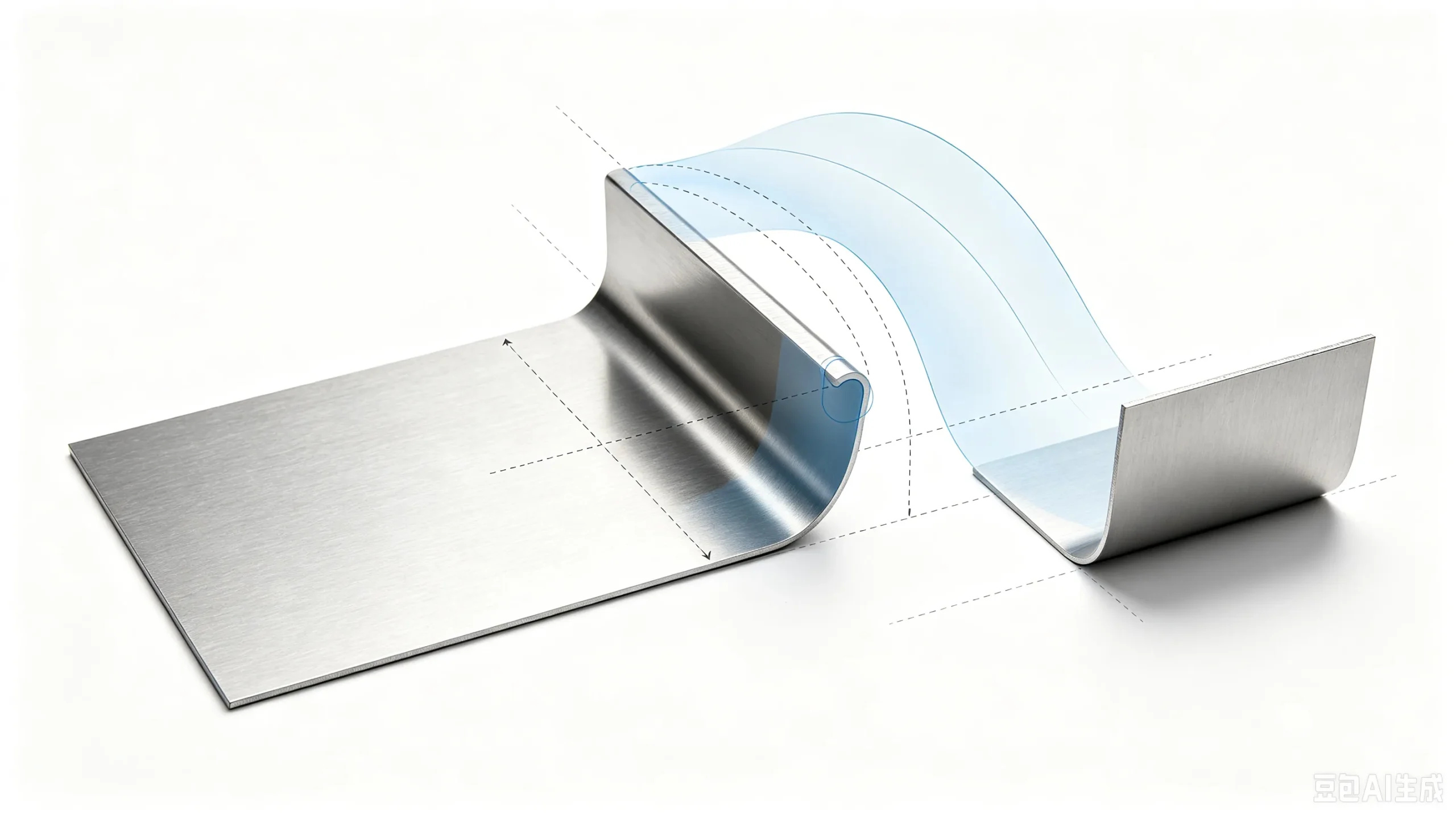
Air bending: The punch pushes sheet metal part‑way into the V‑die, leaving a gap at the die bottom. Bend angle is controlled by adjusting punch stroke depth.
Bottom bending: Sheet metal is forced to fully conform to V‑die surfaces. Final bend angle depends primarily on die geometry instead of punch stroke.
Coining: Heavy pressure creates thorough plastic deformation to nearly eliminate springback. Both press brake and dies must sustain substantial loads.
2. Air Bending vs Bottom Bending vs Coining
| Comparison Factor | Air Bending | Bottom Bending | Coining |
| Required bending force | Low | Higher | Highest |
| Angle‑adjustment flexibility | High | Medium | Low |
| Precision | Good | Very good | Excellent |
| Material adaptability | Broad | Moderate | Limited |
| Production flexibility | High | Medium | Low |
| Typical applications | Mixed‑variety sheet‑metal jobs | Repetitive batch bending | Special ultra‑precision bending |
Why the Method Affects Accuracy, Tonnage, and Productivity
Each method allocates material variability differently. Air bending leaves more of the outcome to the machine control and material consistency. Bottoming and coining shift that burden onto tooling geometry and tonnage capacity. The method you choose determines where the cost lands: in setup flexibility, tooling investment, machine wear, or scrap and rework.
What Is Air Bending & How Does It Work?
1. Definitions
During air bending, the punch descends into the V‑die without fully pressing the sheet metal to the bottom. The material produces stable plastic deformation inside the die groove. Instead of relying on fixed tool geometry, the entire bend angle is precisely controlled by adjusting the downward stroke depth of the press brake slide.
2. Advantages
- Offers the greatest flexibility among three common bending methods.
- Demands the lowest tonnage, lowering wear on both tooling and the machine frame.
- Most economical solution for high‑mix, low‑volume production with frequent changes to part geometry.
- When equipped on modern CNC press brakes, laser angle measurement systems deliver real‑time bending angle data, supporting automatic springback correction with no manual operator intervention.
What Is Bottom Bending & Its Applications
In bottom bending, the punch pushes sheet metal fully into the V-die cavity to achieve complete contact between the material and mould surfaces. The final bend angle is largely defined by the inherent geometry of the V die rather than the slide stroke. It delivers better angle consistency at the cost of higher required tonnage.
Which Processing Needs It Fits?
Bottom bending is well suited for repeat production runs where the same angle is formed thousands of times, for bending near cut-outs and holes, and for operations using older or less precise press brakes where the tooling geometry helps compensate for machine limitations.
What Is Coining & Limitations?
1. How Coining Works for Sheet Metal?
For coining, the punch applies extremely high pressure onto the sheet metal. The bending zone undergoes intensive plastic deformation, which greatly reduces material springback. The forming angle depends heavily on die geometry. This process requires the highest tonnage among the three bending methods and places heavy loads on both machine and tooling.
2. Production Limitations of Coining
The extreme tonnage accelerates wear on tooling and the machine frame, and coining can thin the material at the bend line. It is typically reserved for special high-precision applications with very small inside radii or where zero springback is non-negotiable.
What Factors Determine Which Bending Method to Use?
1. Material Type and Thickness
Thicker and stronger materials require higher tonnage regardless of method. Stainless steel and high-strength alloys demand roughly 1.5 times the tonnage of mild steel for the same bend, and thinner gauges are more sensitive to thickness variation.
2. Bend Angle and Required Precision
If a part requires multiple angles, air bending is usually the practical choice. If a single angle must be held to tight tolerance in high-volume production, bottom bending or coining may justify the higher tooling cost and tonnage demand.
3. Workpiece Shape and Production Volume
Parts with holes or cut-outs near the bend line benefit from bottom bending, which keeps the sheet surface flat around those features. High-volume runs of a single part can absorb the tooling investment that bottoming or coining requires.
4. Press Brake Tonnage and Production Flexibility
The method must match the machine’s rated capacity. Running a press brake at or near its tonnage limit accelerates structural wear. For shops that value flexibility across many part numbers, air bending’s low tonnage demand and single-tooling setup are decisive advantages.
Why Is Air Bending the Common Method in Modern Press Brakes?

1. Greater Adaptability to Different Angles
A single air bending tooling setup can produce a wide range of bend angles by adjusting ram depth alone. For job shops and fabricators that process diverse part geometries, this flexibility eliminates the cost and downtime of changing dies between jobs.
2. Relatively Lower Tonnage Requirements
Because the sheet does not contact the die walls, air bending requires significantly less force than bottoming or coining. This reduces wear on the machine frame, extends tooling life, and allows the same press brake to handle a broader range of material thicknesses.
3. Better Suited for CNC Press Brake Parameter Control

Modern CNC press brakes are built around air bending as the default process. Laser angle measurement systems provide real-time feedback during the stroke, and the control automatically adjusts ram depth to compensate for springback. Such as JialiPress, it’s electric servo press brakes and CNC press brakes are engineered with these principles in mind. The machines can deliver the ram precision and real-time correction that air bending demands, while also providing the tonnage capacity and frame rigidity needed for bottoming and heavier forming operations.
4. Ideal for High-Mix, Low-Volume Production
For fabricators that run many different parts in small batches, air bending’s combination of low tooling cost, quick changeover, and wide angle range makes it the most economical method. Electric servo press brakes are particularly well matched to air bending, offering precise ram control and repeatability that maximize the method’s advantages.
How to Choose a Suitable Bending Method?
- High-mix, low-volume production: Air bending is the preferred option. It delivers great flexibility with minimal tool changes, ideal for job shops handling varied custom sheet metal parts.
- Repetitive mass production: Bottom bending can be selected according to accuracy and process requirements. It offers stable angle repeatability to keep consistent quality for large batch orders.
- Special high-precision forming: Coining can be considered only when machine tonnage and material conditions allow. It nearly eliminates springback for workpieces with strict tolerance demands.
- Final evaluation: Always make a comprehensive judgment combining material type, sheet thickness, bend length and the actual load capacity of your press brake.
Conclusion
There is no universal “best” bending method for every project. Air bending excels in flexibility; bottom bending delivers stable repeatability; coining offers supreme precision at the cost of extreme tonnage. Understanding their mechanics and trade‑offs helps sheet‑metal shops minimise scrap, protect press‑brake hardware and achieve expected quality within production budgets.