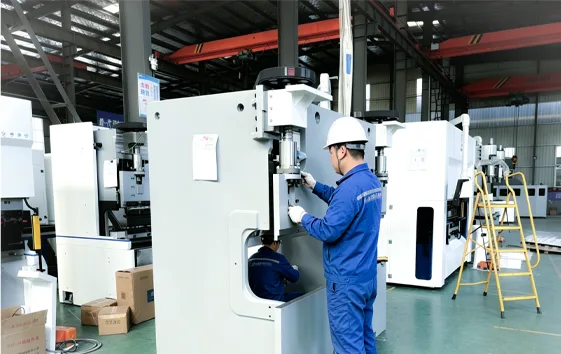
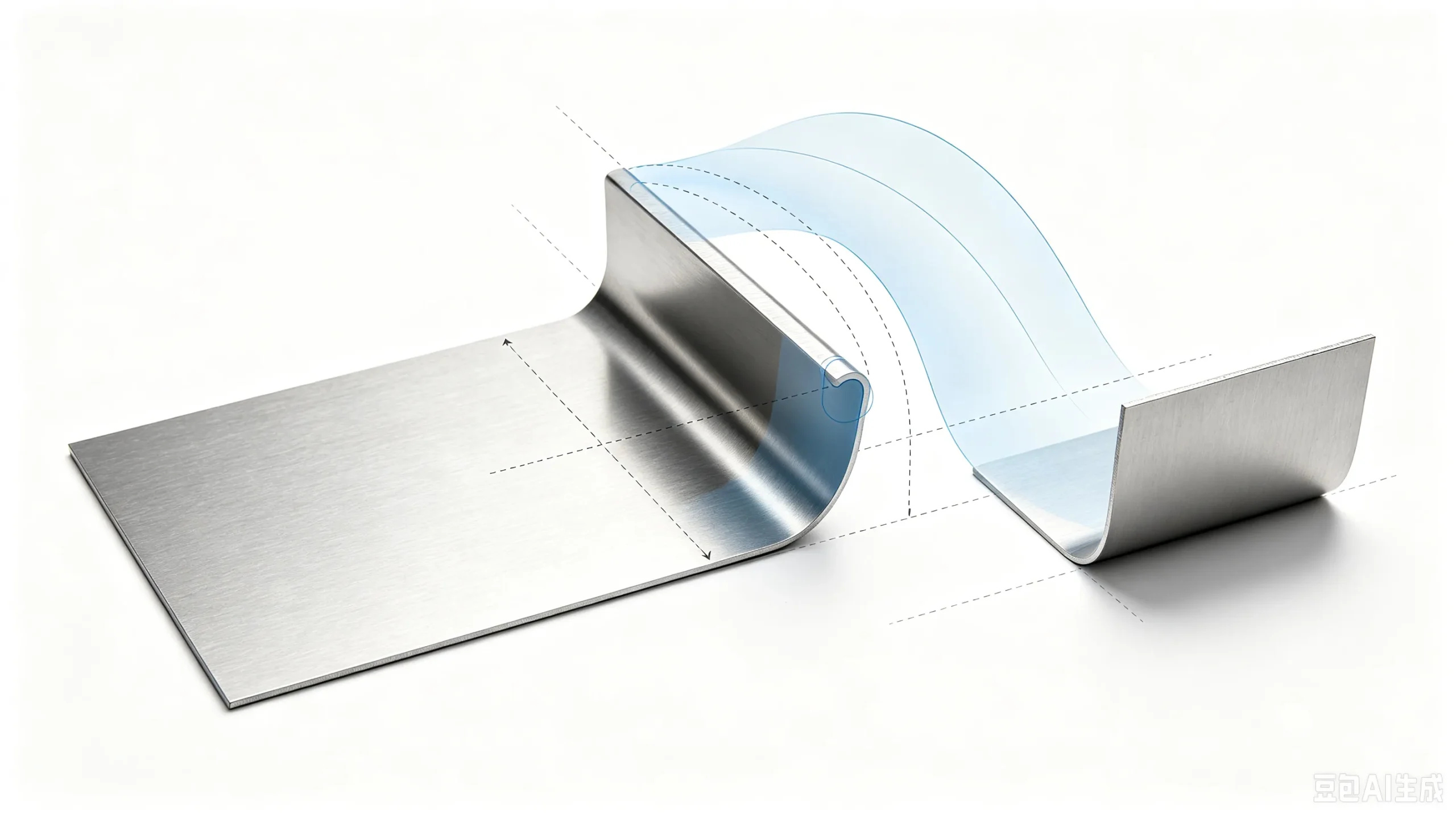
Why Bending Accuracy Is Critical in Modern Fabrication
In modern metal fabrication, precision bending is no longer a luxury — it is a necessity. As industries such as automotive, aerospace, electronics, and construction demand tighter tolerances and higher product consistency, the accuracy of sheet metal bending directly determines the final product quality.

Even minor deviations in bending angle or positioning can lead to assembly issues, increased scrap rates, and higher production costs. For manufacturers operating in high-volume environments, these inefficiencies can quickly accumulate into significant losses. Conversely, achieving high-precision bending improves productivity, reduces material waste, and ensures consistent product performance.
This article combines practical insights and advanced press brake technology to deliver a guide to precision sheet metal bending, helping manufacturers optimize their processes and achieve superior bending results.
Fundamentals of Press Brake Technology and Factors Affecting Accuracy
- Press Brake Types and Drive Systems
The type of press brake used has a direct impact on bending precision.
Electric-driven machines utilize servo motors to control ram movement. They offer high positioning accuracy, fast response times, and excellent repeatability. These machines are ideal for thin to medium sheet applications where precision is critical.
Hydraulic systems provide high tonnage and stable performance, making them suitable for thick plate bending. While slightly less energy-efficient, they remain highly reliable for heavy-duty applications.
- Single Servo vs. Double Servo Systems
Double servo systems provide better synchronization between both sides of the ram, significantly improving bending consistency across the workpiece. For applications requiring uniform bending over long parts, dual servo systems are preferred.
- Frame Rigidity and Deflection Control
Machine rigidity is a fundamental factor in maintaining bending accuracy.

High-quality press brakes use welded steel frames that undergo stress-relief treatments such as annealing. This process eliminates internal stresses and prevents deformation over time.
Key structural features include:
- Reinforced columns and worktables for stability
- Anti-deflection designs to maintain uniform pressure
- Built-in crowning systems to compensate for the bending force
Without proper deflection compensation, the bending angle may vary across the length of the workpiece, especially in long parts.
- Backgauge System and Positioning Accuracy
The backgauge system determines the exact position of the workpiece before each bend. Its precision directly influences the final bending result.

Advanced CNC press brakes feature:
- Multi-axis backgauge systems (X, R, Z axes)
- High-speed servo-driven positioning
- Ball screw and linear guide mechanisms
Accurate and repeatable positioning is essential for complex parts and batch production, ensuring each bend is executed precisely according to design specifications.
Key Methods to Improve Bending Accuracy
1. Use High-Precision Control Systems
Modern CNC and servo control systems are essential for achieving consistent precision bending.
Advanced control features include:
- Automatic angle correction systems
- Real-time monitoring and feedback
- Program storage for repeatable production
- Graphical programming (2D/3D simulation)
These technologies reduce operator error and ensure consistent bending performance across production cycles.
2. Match Material Properties with Bending Parameters
Material characteristics significantly influence bending accuracy.
Key factors include:
- Material thickness
- Tensile strength
- Elasticity and springback behavior
Incorrect parameter settings can result in inaccurate bending angles or deformation.
To optimize results:
- Adjust the bending force according to the material strength
- Control the bending speed to avoid deformation
- Account for springback through compensation
Proper parameter matching is essential for achieving consistent results across different materials.
3. Optimize Tooling and Die Design
Tooling quality plays a critical role in precision sheet metal bending.
Important considerations include:
- High-precision punch and die design
- Proper tooling selection based on material and thickness
- Regular inspection for wear and deformation
Worn or improperly selected tooling can lead to angle deviations, surface defects, and inconsistent results.
Establishing a tooling maintenance schedule ensures long-term accuracy and reliability.
4. Implement Automation and Measurement Technologies
Automation is transforming modern press brake technology by improving both efficiency and accuracy.
Key solutions include:
- Real-time angle measurement systems
- Laser-based bending angle detection
- Robotic loading and unloading systems
- Automated bending sequence optimization
These technologies reduce human error and ensure precise, repeatable bending operations.
Real-time feedback systems are particularly valuable, as they automatically adjust the bending angle during operation to maintain accuracy.
5. Enhance Operator Training and Process Management
Even with advanced machinery, operator expertise remains crucial.
Skilled operators can:
- Adjust parameters based on real-time conditions
- Identify potential errors early
- Optimize bending sequences
In addition, standardized process management improves consistency across production.
Recommended practices include:
- Establishing standard operating procedures (SOPs)
- Conducting regular operator training
- Implementing quality control checkpoints
Combining skilled personnel with advanced technology ensures optimal bending performance.
Common Bending Accuracy Issues and Solutions
Bending Angle Deviation
Problem: The final angle differs from the programmed value.
Causes: Incorrect parameter settings, tooling wear, or machine deflection.
Solution: Use automatic angle correction systems and verify tooling conditions.
Material Springback
Problem: The material partially returns to its original shape after bending.
Causes: High material elasticity or improper parameter settings.
Solution: Apply compensation in the bending program or adjust the bending force.
Error Accumulation in Multi-Bend Parts
Problem: Small errors accumulate across multiple bends, affecting final dimensions.
Causes: Inaccurate positioning or inconsistent bending sequence.
Solution: Optimize the bending sequence and use high-precision backgauge systems.
Conclusion
Improving precision bending requires a comprehensive approach that combines advanced equipment, optimized processes, and skilled operation. From selecting the right machine type to implementing automation technologies, every step plays a role in achieving accurate and consistent results.
By leveraging modern press brake technology, manufacturers can significantly enhance product quality, reduce waste, and improve production efficiency. This guide to precision sheet metal bending provides a practical framework for identifying key improvement areas and implementing effective solutions.
With continuous advancements in CNC systems, automation, and measurement technologies, the future of sheet metal bending lies in smarter, more precise, and highly efficient manufacturing processes. Working with experienced manufacturers such as Jiali Press can further support businesses in selecting reliable equipment and implementing tailored bending solutions that meet specific production needs.